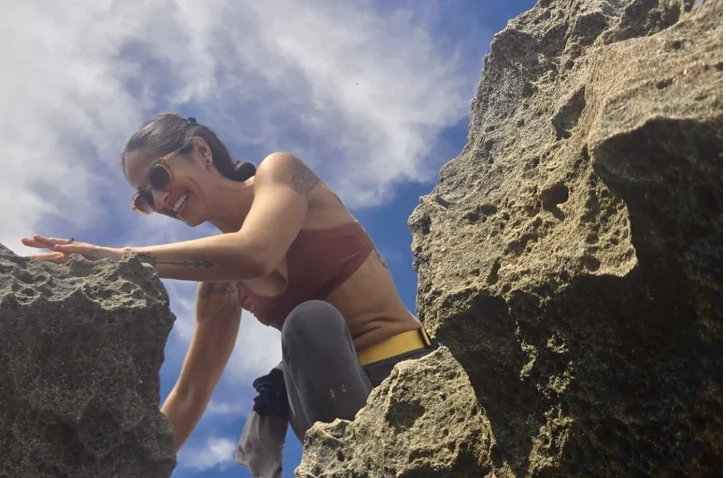
My Creative Blend of Hispanic Heritage and Design – Part 1
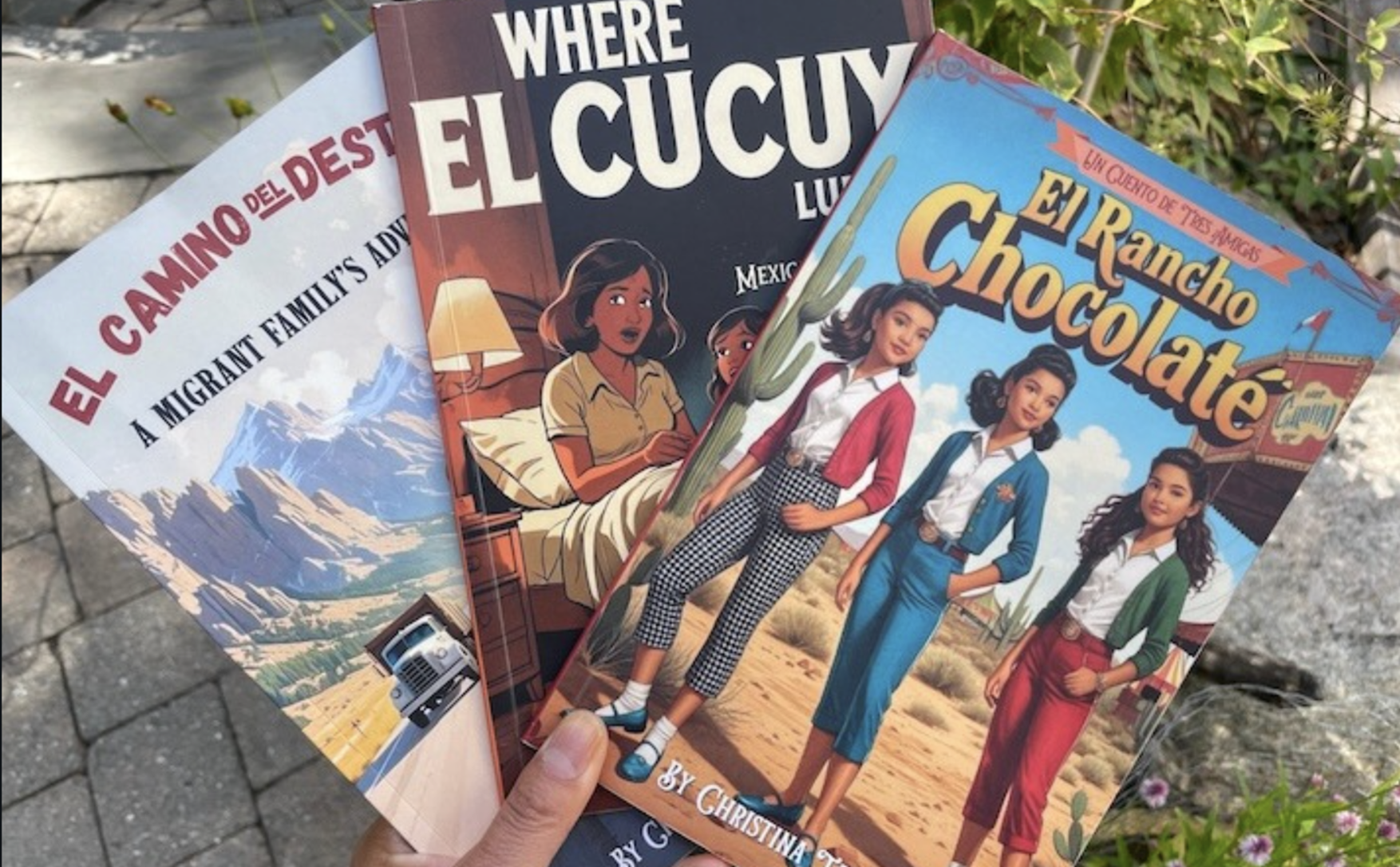
A Latina fashion entrepreneur launches children’s books on Hispanic heritage.
Editor’s note: This is part one of a three part series.
Introduction
My original career path was always a perfectly straight line. I knew from the young age of four that I was destined to be in the world of fashion design in New York City, but recently, I took a creative detour which has taught me a lot about myself. It’s been a time of introspection, and I want to take you on a three-part journey that first starts in the migrant labor fields of South Texas, then to the high-fashion world of New York City building fashion brands, and somehow eventually – into the worlds of characters, storytelling and a different type of brand building.
Along with my newfound writing career, I discovered that the hustle I learned from my family’s Tejano roots is the exact same fire that has driven my success in the business world. This isn’t just my story; it’s a candid look at how we, as Latinos and entrepreneurs, can fully recognize and take the resilience and cultural wisdom handed down to us and turn it into our own iconic identity (brand). If you’ve ever wrestled with your identity, fought to establish your own business, or just want a serious jolt of pride, come along. I’m going to share how family legacy, self-introspection, and cultural pride are the most important catalysts you can use for becoming a leader with an open mind and a holistic view of the world.
I’ve spent over three decades immersed in the fast paced, creative world of fashion in New York City, and yes – I still love it. I’m so inspired by fashion – touching it, creating it, working with small fashion businesses, seeing it on the runways at fashion shows, appreciating the history of it in museums. I don’t think I’ll ever tire of it. It’s something in my blood. Yet, this past summer, a different calling shifted my focus completely and caught me off guard. Something got into me, a sudden desire to capture a lifetime of stories my parents have always shared with me about their childhood in South Texas. They are beautiful stories of both hardship and family life.
My parents grew up in South Texas in two separate towns (Benavides and La Grulla) that were about 120 miles apart from each other. They never crossed paths until they met in the 1960’s in Ohio at a Mexican dance and then eventually married. Both of their families were quite poor, and with limited means and opportunities for their families. Yet, eventually, together, they built a beautiful life for themselves and our family in Ohio. I realized that if I could express their perseverance, their journey, and my interpretation of those powerful narratives into a tangible form, it would be an amazing feat.
I slowly recognized there was a connection between my initial skillset in fashion design and what I wanted to do with storytelling: I used that same creative drive I have from building fashion brands and designing beautiful collections—to construct stories, characters, and narratives. They’re not so different, as I found out.
As this writing journey continued, I also realized how wonderful it would be for my parents to have a tangible piece of their life as a legacy that they could be proud of. I thought, what could be a better way to honor them than to write their stories. So, as I dove into the project and worked into the late summer nights, I came out of it with 3 children’s books that I’m incredibly proud of.
The unexpected gift of this process has truly opened more doors than I could have imagined. From educators, parents, community leaders, I’ve received such amazing feedback. It also unlocked more of my parents’ stories – things they had forgotten. They’ve happily been put to task to write down as much as they can remember. It’s been a wonderful way to hear more about their past lives and continue to curate notes for future stories. This project has also given me even more motivation to immerse myself in our beautiful Mexican American heritage and better speak the language as well.
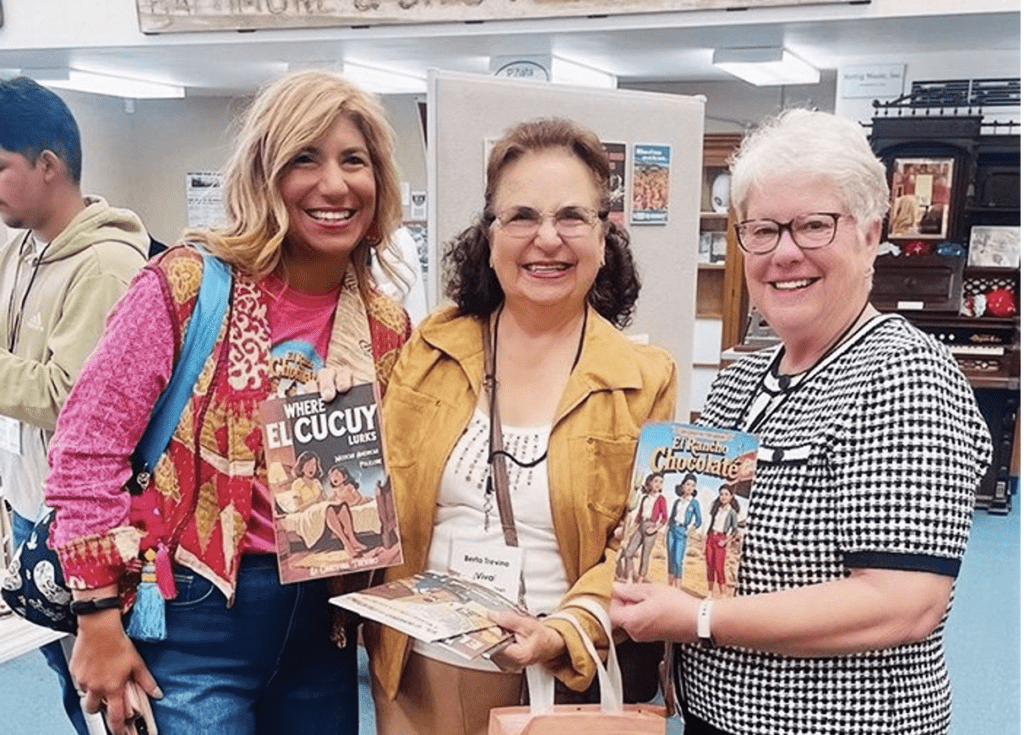
Part 1: Bridging Worlds
I was raised in Defiance, Ohio, a town of industry and agriculture. While my parents’ life was tied to the city of Defiance that had more diversity, our school zoning sent me to Ayersville Local Schools—a smaller, farm-centric, and less diverse community. This created a huge sense of living in two separate worlds for me at the time.
I had a wonderful schooling—lifelong friends, great teachers and mentors who supported my creativity, and I was a proud cheerleader for our sports teams. But in a community with only one other Latino child, the environment prevented me from fully embracing my whole cultural identity. This early experience of assimilation, while at the same time holding my traditions close, is why stories about navigating new worlds and celebrating where you come from is so ingrained in me.
The Great Migration and Language Loss
My parents were deeply Tejano, with their roots in South Texas. To this day, much of our family still lives there. Their families were migrant farm workers in the 1940s and 50s, locked in a typical cycle of labor for most Mexican Americans living there. As migrant children moving from place to place regularly, being in school anywhere and making an acceptable level of attendance for the year was nearly impossible, let alone achieving graduation. The fact that both of my parents did graduate from high school is an incredible accomplishment. They faced back-breaking work, extreme poverty, and often times social isolation outside of their own family group. My dad still tells me his story about having to use segregated bathrooms.
That level of poverty was rooted in historical systemic loss. While some of my ancestors, much further back on our family tree initially came to Mexico and were given Spanish land grants to build vast ranches and possessed money from lucrative roles in government, those assets were lost over time.
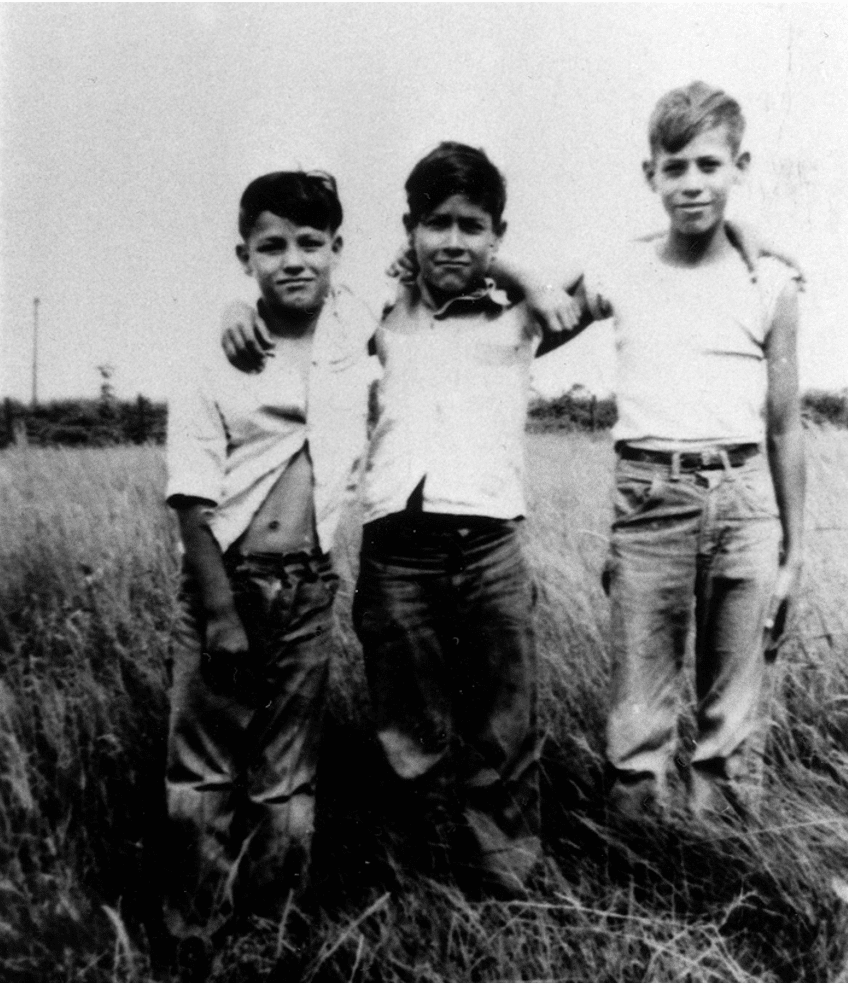
The Systemic Loss of Land and Wealth
To understand exactly what happened, we have to talk a bit about the history of Mexico and my family’s land. When the United States acquired this Mexican territory under the Treaty of Guadalupe Hidalgo (1848), the peace agreement that officially ended the Mexican-American War, the treaty technically promised to protect the property rights of the Mexican citizens who suddenly found themselves living on U.S. soil as the border shifted. However, the American legal system failed to honor those promises. Older Spanish and communal land grants like my family’s were incompatible with new U.S. property laws, and landowners were forced to spend years and fortunes in court trying to prove their deeds. Bankrupted by legal fees and taxes, many families were forced to sell their lands cheaply. Beyond the legal tie-ups, this period was also a time of violence and intimidation, where groups like the Texas Rangers contributed to the displacement of established Mexican families. The result of all this was that generational wealth—in the form of land ownership—was lost. By the 1940s when my parents were born, these injustices had transformed our families and many others into a dispossessed population forced into low-wage agricultural labor. Generational wealth was impossible to accumulate under exploitative migrant wages.
Stay tuned for part 2
Related content:
From Cuba to Corporate America: One Latina’s Inspiring Journey of Resilience & Reinvention
A Latina Owned Fashion Business Finds Inspiration at the Beach
A Latina Entrepreneur’s Journey Building Her Business [Video]