For entrepreneurs and educators in sports business, this is a curriculum rewrite moment.
While championships are decided and spring camps open, the real movement often happens behind the scenes. The modern sports calendar is now as much about revenue streams, media innovation, and athlete empowerment as it is about wins and losses.
Media Rights & Streaming Evolution
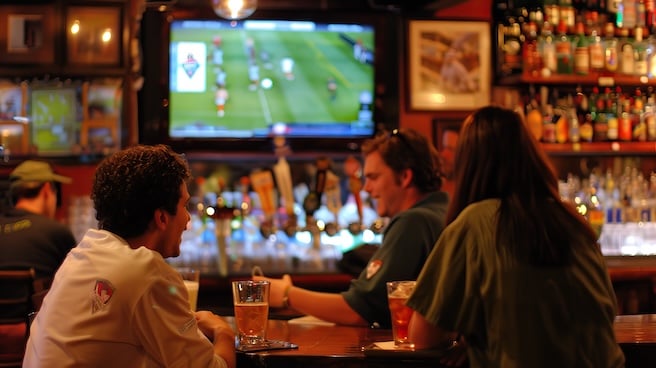
The arms race for content continues. Major leagues are aggressively reshaping their distribution models as traditional RSNs decline and direct-to-consumer streaming grows.
The National Football League has fully embraced digital exclusivity for select games. The Major League Baseball continues restructuring local broadcast models. The National Basketball Association has negotiated transformative national media deals that extend deep into the streaming era.
The future is platform-agnostic. The fan experience is on demand.
For entrepreneurs and educators in sports business, this is a curriculum rewrite moment.
NIL & Athlete Entrepreneurship
The Name, Image & Likeness era continues to mature within the National Collegiate Athletic Association ecosystem.
What began as endorsement freedom has evolved into:
- Collective-based funding models
- Athlete-driven media brands
- Venture-backed representation firms
- Revenue-sharing debates at the conference level
College athletes are no longer just students competing for scholarships. They are brand managers, content creators, and micro-enterprises
The implications for compliance, marketing, taxation, and long-term athlete development are enormous — and still unfolding.
The Sports Gambling Expansion
Even as controversy periodically surfaces, the sports wagering industry continues expanding across legalized states.
The Super Bowl remains one of the largest betting events in U.S. history each year, and March Madness pools — formal and informal — further normalize gambling integration into the sports experience.
Partnership deals between leagues and sportsbooks reflect a once-unthinkable alignment. Integrity monitoring, data rights agreements, and in-game betting technology are now standard business verticals.
The question is no longer whether gambling is part of sports — but how responsibly and sustainably it is managed.
Technology & Performance Innovation
From biometric wearables to AI-driven scouting models, technology is reshaping both performance and front-office operations.
Teams are investing heavily in:
- Data analytics departments
- Fan engagement apps
- Virtual reality training modules
- Global social media expansion
Sports organizations now resemble technology companies as much as they do athletic institutions.
Globalization & Alternative Sports Growth
International markets continue to expand league ambitions. Overseas games, global academies, and digital fan bases are priorities for every major league.
Meanwhile, alternative sports — esports, combat leagues, women’s leagues, and emerging hybrid competitions — continue carving market share and attracting new demographics.
The definition of “mainstream sport” is expanding.
The Real Takeaway
As the Super Bowl ends, baseball begins, basketball intensifies, and the Winter Olympics capture global imagination, the underlying truth is this:
The sports business machine never pauses.
- Revenue models evolve.
- Athletes gain leverage.
- Technology accelerates.
- Media fragments and reforms.
For leaders in sports education and media — especially those building platforms, podcasts, and curriculum — this is not simply a seasonal shift.
It is a strategic opportunity.
Because in modern sport, the scoreboard tells only part of the story.
The balance sheet tells the rest.
Related content:
Matt Brown Shaping College Sports Conversations