
Scaling Your Business with a Sense of Familia
Why embracing non-traditional talent and eliminating creative blind spots is a competitive advantage in business.
June always seems to bring forward a beautiful shift in energy. The summer warmth starts to set in, vacations have started, and social media feeds and storefronts light up to celebrate the inclusivity and diversity.. But if we look past the seasonal banners and the corporate marketing campaigns, it’s important to have an honest conversation about what inclusion means for businesses today.
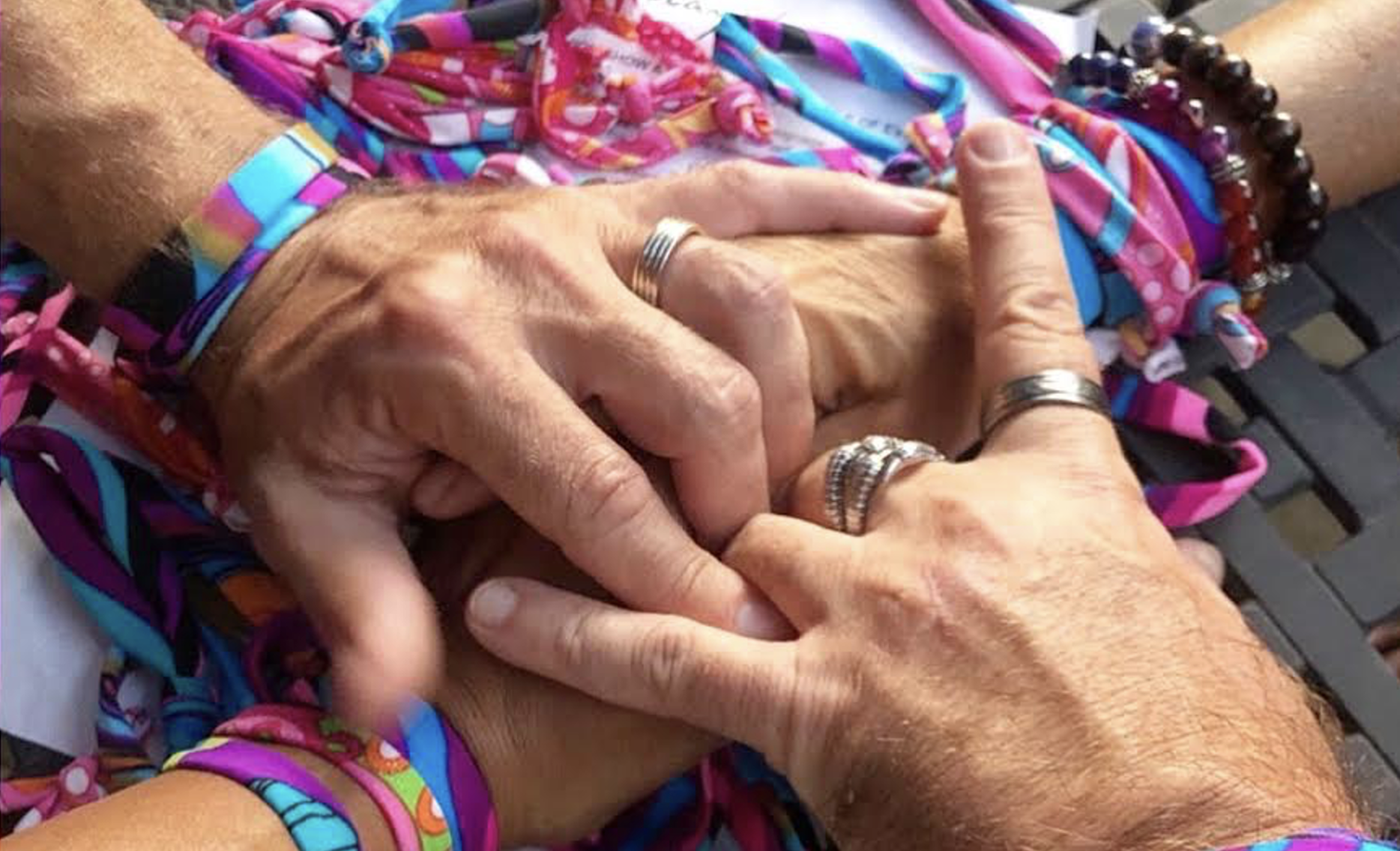
When it’s operating at its best, business teamwork is visualized by diverse people each carrying their own unique stories, distinct ideas, and vibrant concepts. It is the tangible representation of a chosen familia, showing exactly what happens when independent minds bring their varied backgrounds together to form a strong core. In business, as in art, our ultimate strength always lives within these bonds.
The acronyms and buzzwords surrounding diversity have become incredibly heavy and polarizing over the last couple of years. For many companies, quietly pulling back on these initiatives has seemed like the best choice to avoid the cultural crossfire, but as business owners, creators, and mentors, we have the freedom and ability to step away from the debates and look at the actual human reality of our businesses.
True inclusion was never supposed to be about checking boxes on an HR sheet or hitting a seasonal marketing quota. When we strip it all back to its basic premise, inclusion is actually a way to find genuine innovation, foster community connection, be relatable to customers and ensure we aren’t creating blind spots in our work.
Expanding the Definition of Education
One of the biggest blind spots a business can develop is assuming that talent and capability only come from one specific pipeline. Higher education is a powerful, strategic path to a career, and pushing for academic excellence is still a priority within our Latino communities. The dedication it takes to earn a traditional university degree is immense, and that structured foundation equips many young professionals with incredible tools.
However, when we treat the traditional university route as the only measure of expertise, we do ourselves a disservice. A formal degree is quite an achievement, but it requires a level of financial privilege or debt management, and a multi-year strategy that isn’t an option for everyone. If we limit our search for talent to these credentials alone, we might miss out on a huge spectrum of brilliant minds who have pursued education through alternative, equally worthy paths.
True inclusion means recognizing that mastery has many different settings. It might be the vocational student who understands the technical execution of a trade inside and out. It might look like the apprentice who spent years working directly under a master craftsman, learning a discipline through hands-on experience. Maybe it looks like the professional who came up through structured union training programs, or the dedicated intern who learned the inner workings of an industry from the ground floor up. These non-traditional educational paths build a unique skill set, a distinct vantage point, and a practical problem-solving ability that you cannot manufacture in a standard lecture hall.
There is a common misconception that expanding our definitions of diversity means lowering our standards or letting lesser-qualified individuals fill roles just to check a demographic box. In reality, it is exactly the opposite. This isn’t about compromising on requirements; it is about expanding access to the starting line. True inclusion simply ensures that talented individuals from all backgrounds have the equal opportunity to be seen, evaluated fairly, and ultimately earn their seat at the table based on their unique capability.
The Intersections of Our Stories
None of us are just one thing. We are all a rich blend of intersecting histories, educational backgrounds, family lineages, and personal identities. A person might sit at the intersection of being Latino, being part of the LGBTQ+ community, being a trade-school graduate, or being a first-generation professional.
When people feel they have to leave parts of themselves behind just to fit into a rigid corporate mold, their creativity is stifled. But when a business fosters an authentic culture of belonging where people can bring their whole, multi-dimensional stories and varied educational backgrounds to the table, the creative output changes entirely. The work becomes richer, the storytelling becomes sharper, and the brand identity becomes something truly special.
Our audiences and our communities are multi-dimensional. If our internal creative rooms are stacked with the exact same types of backgrounds, we will completely miss the nuance required to connect with the diverse market outside our businesses.
The Power of the Creative Safe Space
As established founders and leaders, one of the most fulfilling roles we play is that of a mentor. We have a unique responsibility to build creative spaces where all types of talent whether university educated, trade certified, or self-taught can collaborate, find their footing, and share their voices.
When we intentionally widen our perspective to value apprenticeships, internships, and vocational dedication alongside traditional degrees, we aren’t lowering our standards; we are elevating our industries. We are bringing a cross pollination of new energy and different perspectives into a changing economic landscape that desperately needs authenticity and the ability to be agile with the changing times.
Widening the Canvas
This June, let’s look at our own businesses not through the lens of corporate compliance or box checking, but through the lens of a creative director. Real growth happens when we have the courage to broaden our view, challenge the conventional definitions of expertise, and build an ecosystem rooted in a sense of familia.
By actively ensuring that non-traditional talent has the access to be seen and the support to be seated at the table, we don’t just eliminate our business’s blind spots, we build something resilient, innovative, and authentic. Find the spaces where your vision has grown a bit too narrow, open the door to those who have fought for their expertise through alternative paths, and welcome them in. Your creative output, your margins, and your community will be stronger for it.
Related content:
Bilingual Latinos a Distinct Business Advantage
In Your People First Business, Who Pays Attention to the People?
The Latino Legacy Dividend: Navigating the Business Hand-Off


