AI Is Changing Work. Human Connection Matters More Than Ever
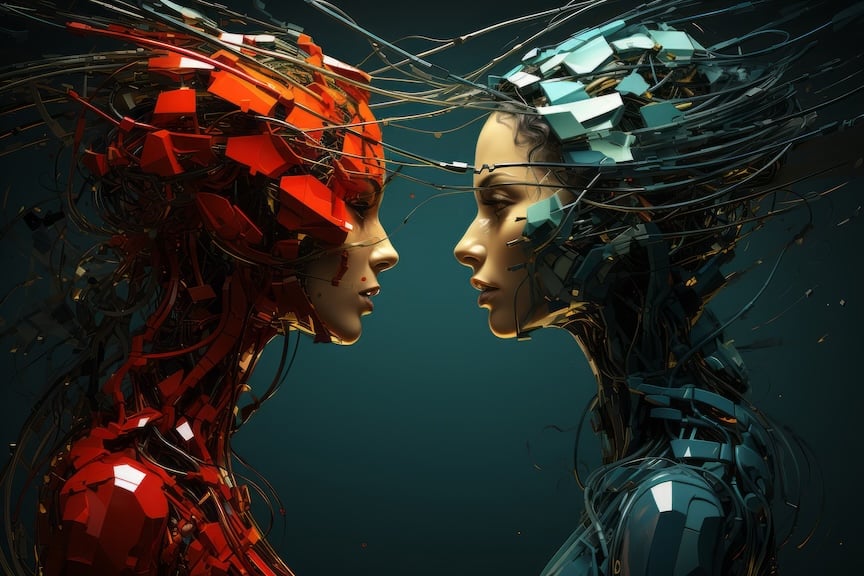
As we move into the next era of work, perhaps the goal is not to compete with technology.
Artificial Intelligence is transforming the way we work. It can write emails, analyze data, generate marketing content, automate repetitive tasks, and help businesses operate more efficiently than ever before. For many small business owners, these tools offer exciting opportunities to save time, reduce costs, and increase productivity.
At the same time, they are raising important questions.
- What happens to human jobs?
- How do businesses stay competitive?
- And perhaps most importantly, what skills will matter most in an increasingly automated world?
While technology continues to evolve at a fast pace, one thing remains clear: people still do business with people. And more and more companies are realizing that AI isn’t everything, people matter.
Customers may use AI to compare products and research services, but trust is still built through human interaction. Employees may use technology to complete tasks faster, but strong teams are still built through communication, empathy, and collaboration.
In many ways, the rise of AI is shining a spotlight on something we’ve always known but often overlooked. Human connection matters.
For Latino-owned businesses, this presents a unique opportunity. Many Latino entrepreneurs have built their businesses on relationships, community, family values, and personal service- qualities that are innate to the culture. These qualities create loyalty that technology alone cannot replicate.
A customer may forget an advertisement. They rarely forget how a business made them feel. The same is true in the workplace.
As AI takes over more routine tasks, qualities such as emotional intelligence, adaptability, creativity, and leadership become increasingly valuable. The ability to listen, understand customer needs, resolve conflicts, and build meaningful relationships cannot be automated in the same way a spreadsheet or marketing campaign can.
This shift is already influencing how organizations think about talent and leadership. The future workplace will require technical skills, but it will also reward individuals who can navigate complexity, connect with others, and foster trust.
Ironically, as technology becomes more advanced, being human may become one of the most valuable professional skills a person can develop. This reality also has implications for mental health.
Many professionals respond to change by working harder, doing more, and trying to prove their value through constant productivity. Yet this approach often leads to stress, burnout, and exhaustion. The challenge is not simply keeping up with technology. The challenge is remaining grounded while technology evolves around us.
Business owners who prioritize well-being, healthy workplace cultures, and authentic relationships may discover that these qualities are not separate from business success—they are essential to it. The businesses that thrive in the future will likely embrace both innovation and humanity. They will use technology to improve efficiency while continuing to invest in the people who make meaningful work possible.
AI can streamline processes. It can automate tasks. It can help us work smarter. But it cannot replace trust. It cannot replace empathy. And it cannot replace the human connection at the heart of every successful business.
As we move into the next era of work, perhaps the goal is not to compete with technology.
Perhaps the goal is to become even better at what makes us human.
Related content:
From FIT to Fashion Tech: Heritage & AI Strategy [Podcast]
Must Know Artificial Intelligence Insights for Small Business