College Sports, NIL and the Price of a National Rulebook
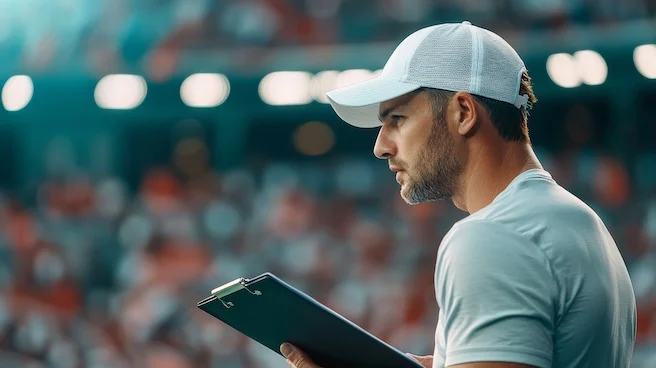
The Senate has passed the Protect College Sports Act, for athletes, universities and businesses, the debate over who controls college sports is far from over.
College sports have become a major business without a settled set of business rules. Athletes can earn money from their name, image and likeness (NIL). Schools can share revenue with them. Sponsors, agents and collectives all have a place in the market. Yet questions about compensation, recruiting, transfers and enforcement continue to reach courtrooms and state legislatures.
On September 28, the U.S. Senate voted 77–22 to pass the bipartisan Protect College Sports Act. That is a significant step, but it is not the finish line. The bill now goes to the House of Representatives, and none of its provisions becomes federal law unless both chambers pass legislation and the president signs it. More: cramer.senate.gov
The proposal asks a fundamental question: Can Congress bring stability to college athletics while preserving the rights athletes have gained?
What the bill would do
The act would establish a federal right for college athletes to earn NIL compensation and set national standards where schools now navigate differing state rules. It would address school payments to athletes, NIL contracts, agents, transfers and eligibility. Supporters say a common rulebook would give athletes and institutions clearer expectations. More at commerce.senate.gov and commerce.senate.gov
Some provisions are easy to welcome. The bill would cap athlete-agent fees at 5% and bar schools from taking away a scholarship because of an injury or poor athletic performance. It would provide former athletes a path to return and complete a degree with scholarship support during a ten-year period after eligibility. That is a window to finish an education, not a promise of ten extra years of tuition for every athlete. (commerce.senate.gov)
Division I schools would have to cover specified out-of-pocket costs for sports-related injuries or illness during an athlete’s career and for five years afterward. The proposal also contains health and safety requirements and measures intended to preserve opportunities in women’s and Olympic sports. These are meaningful issues for athletes whose playing careers may be short, but whose injuries or unfinished degrees can follow them for years. (commerce.senate.gov)
The business opportunity—and the business concern
For a company considering an athlete endorsement, clearer NIL standards could make it easier to plan a legitimate campaign. For a university, national rules could simplify compliance and budgeting. For athletes, a federal NIL right could provide a firmer foundation for building a personal brand.
But clarity comes with limits. The Senate committee’s revised proposal described a hard cap on school revenue sharing and rules that count some deals involving school-associated entities toward that cap. Those provisions are intended to stop recruiting payments from being disguised as endorsements. Critics worry that rules designed to control spending could also constrain what an athlete is able to earn. (commerce.senate.gov)
That distinction matters. A business paying an athlete to appear in advertisements, create content or reach customers is buying a marketing service. A payment tied principally to choosing a school raises a different question. The challenge is to police improper inducements without treating every valuable athlete partnership as suspect.
The bill also seeks greater legal certainty for the organizations that govern college sports. The NAACP and Congressional Black Caucus have argued that Congress should not give schools and conferences substantial new protections while athletes—particularly Black athletes central to the revenue of major programs—lack sufficient influence over the system being built. They acknowledge the value of scholarship and health protections but object to pairing them with institutional legal protections they consider too broad. For more go to : naacp.org and cbc.house.gov
That is a serious business and governance concern. If athletes generate the audience, sponsorship value and media revenue, they should have a meaningful role in decisions about compensation and enforcement.
What happens next?
The House can take up the Senate bill, change it or decline to advance it. Provisions debated and amended in the Senate could change again. Until legislation is enacted, athletes, businesses and schools must operate under the rules currently in force—not the promises or restrictions shown in headlines about this bill. More at: cramer.senate.gov
I would watch three questions as the House considers its next move:
- Can athletes negotiate and earn fairlyunder the proposed NIL and school-payment rules?
- Will scholarship, medical and women’s sports protections work in practice, including at schools with fewer resources?
- Who will have a voice when disputes arise—athletes as well as the institutions that write and enforce the rules?
For those of us who teach, advise and build careers in sports business, this is more than a legislative story. Today’s college athlete may also be an entrepreneur, a content creator and a business partner. A useful national framework should recognize all three roles while protecting the student whose education and health must outlast the final season.
The money behind the debate
The scale of this decision is striking. The Senate proposal would give the NCAA and other covered organizations limited protection from certain antitrust challenges when enforcing its rules. It would also permit schools to pay athletes directly under a framework that, with an additional retention pool, could allow up to approximately $48.8 million per school annually. That figure is a potential ceiling under the proposal, not a requirement that every school spend that amount or a limit on every independent endorsement deal. Sources: apnews.com and commerce.senate.gov
The push for federal rules has itself been a substantial business effort. According to Sports Business Journal reporting cited in coverage of the Senate vote, the NCAA and Power Four conferences spent about $17 million combined on federal lobbying from 2020 through 2026. That figure does not tell us whether the legislation is good or bad. It does show how much the organizations governing college athletics have invested in shaping its future. The House should weigh their interests alongside the voices of the athletes who will live under the resulting rules. More at : youthsportsbusinessreport.com
Related content:
What Is NIL? Name, Image, Likeness for Collegiate Athletes with Lyle Adams [Video]