The Life, Struggles, and Quiet Strength of Gil Amoro
When all seems insurmountable strength from within many times prevails.
There are people whose stories are measured by championships, statistics, or headlines.
And then there are people like Gil Amoro — men whose lives cannot be understood by numbers alone.
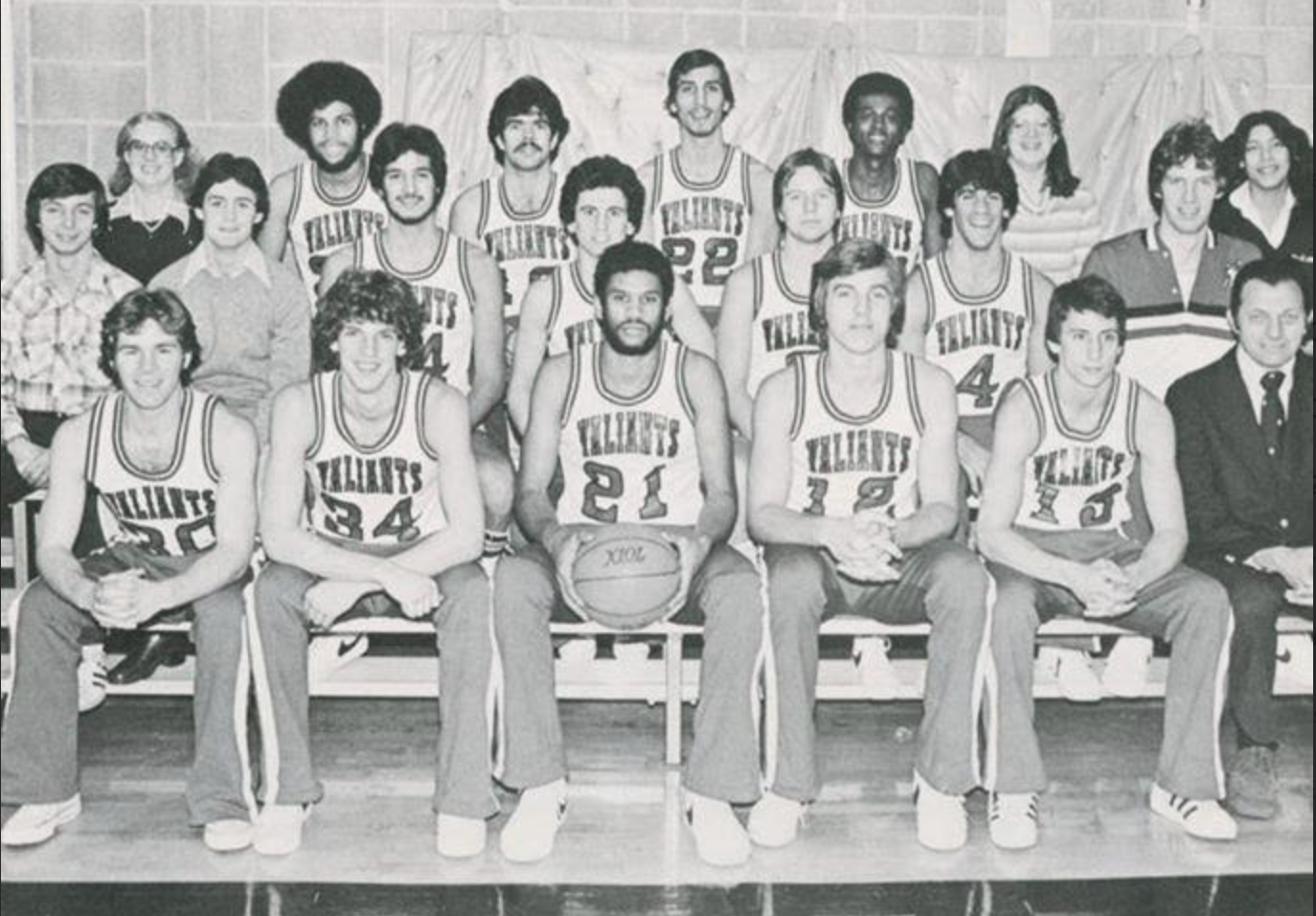
To many at Manhattanville University, Gil was once a basketball force. A rugged, undersized forward from the legendary Rice High School basketball pipeline, he became one of the foundational figures in Manhattanville basketball history during the late 1970s. He played for Hall of Fame coaches Tim Cohane and Ralph Tedesco and helped lead the Valiants to two NCAA Division III tournament appearances.
But the deeper story — the human story — begins long after the applause faded.
Former teammates still speak about Gil with reverence.
“Gil was easy to love because he wasn’t about himself,” recalled teammate Tim Maloney. “He was about winning.”
Another teammate, Bill Lahart, remembered him as “pretty much unstoppable” in the paint despite being outsized by bigger centers. Others described his uncanny instincts, toughness, and generosity. Hall of Fame athletic director Joel Daunic put it simply: “Gil was a good player. I know the good players, and Gil was on that list.”
Yet what stands out most in the memories of those who knew him is not his scoring.
It was his heart.
A Young Man Searching for Direction
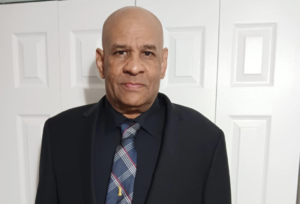 Like many young athletes, Gil’s identity became intertwined with sports. Basketball gave him structure, confidence, and purpose. But after leaving college without completing his thesis, he drifted into a difficult period of uncertainty.
He stayed around campus, sleeping on couches and in dorm lounges, trying to hold onto the world that had once given him meaning. Eventually he worked briefly as an assistant coach, trying to remain connected to the game he loved.
Outside of basketball, life became complicated and at times dangerous.
He worked odd jobs. He spent time in New York’s underground economy during the gritty 1980s. He moved through worlds most people only see in movies — bootleg VHS operations, late-night deliveries, organized crime associates, bars across from police precincts, and whispered deals made in smoke-filled back rooms.
But through all of it, one thing remained remarkably consistent: the people around him often trusted him deeply.
Friends repeatedly described him as loyal, dependable, and compassionate — someone who inspired fierce loyalty despite the chaos around him.
The Injuries That Changed Everything
 Then came the injuries.
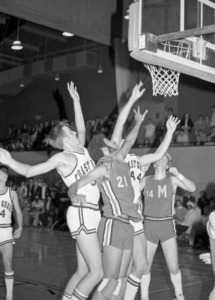
Years of basketball had already ravaged his body. His shoulder had dislocated dozens of times. His ankles had absorbed years of punishment from countless games on asphalt courts, cramped gyms, and college hardwood floors.
But in the mid-1990s, everything unraveled.
A catastrophic fall on ice shattered his ankle and triggered a devastating cycle of surgeries, rehabilitation, setbacks, and chronic pain. Bone spurs were removed again and again — eventually totaling more than three dozen from the same ankle. Herniated discs compounded the suffering after a near-fatal ambulette accident in Manhattan left him trapped inside a crushed vehicle.
Most people would have quit.
Gil did not.
Day after day, week after week, year after year, he endured physical therapy sessions, surgeries, medications, setbacks, depression, and uncertainty. He dragged himself through rehabilitation programs while simultaneously trying to help support his immigrant parents, who depended heavily on him to navigate the English-speaking world around them.
At one point, he was attending physical therapy six days a week.
Not to return to basketball.
Just to walk normally again.
The Son of Immigrants
Perhaps the most moving part of Gil’s story is not the basketball, nor even the suffering.
It is the devotion to family.
Raised in the Bronx by hardworking immigrant parents from Cuba and Venezuela, Gil became the translator, the advocate, the problem solver, and often the emotional anchor of the household from a very young age.
He filled out forms, translated medical documents, handled banking, helped manage his father’s plumbing business, and carried the burdens of adulthood long before he was fully grown himself.
When his father was diagnosed with prostate cancer, Gil threw himself into the role of caretaker despite his own deteriorating health. He coordinated appointments, translated medical terminology, fought insurance battles, and absorbed the emotional weight of the diagnosis while still trying to recover from multiple surgeries himself.
The irony was painful: a man struggling to heal his own broken body became responsible for helping hold his entire family together.
Friendship Never Left Him Behind
One of the most remarkable themes throughout Gil’s life has been the loyalty of old friends.
Decades after college, teammates and coaches still rallied around him.
Coach Tim Cohane quietly helped Gil navigate immigration issues and secure critical documentation needed for his Green Card. Friends checked in regularly. Former teammates organized support efforts. Others simply reminded him that he had not been forgotten.
In an era where relationships often fade quickly, the bonds formed during those Manhattanville basketball years endured.
As former teammate Mark Ward put it:
“Just his love for the game and life was enough for him to become someone I would respect and cherish for the rest of my life.”
That may ultimately be Gil Amoro’s real legacy.
Not the points.
Not the rebounds.
Not the records.
But the way people still speak about him decades later — with affection, gratitude, and respect.
More Than a Basketball Player
Gil’s story is messy.
It is imperfect. At times it is heartbreaking. There were mistakes. Regrets. Bad decisions. Dangerous roads traveled. Personal failures. Physical collapse. Financial struggles. Depression. Loss. But that is exactly why his story matters. Because it is real.
It is the story of an athlete who discovered that life after sports can be far harder than sports itself. A man who kept getting knocked down physically, emotionally, and financially — and somehow kept trying to get back up.
It is also a story about America.
About immigrants.
About working-class sacrifice.
About friendship.
About pain.
About redemption. And about the invisible battles people fight long after the crowds stop cheering.
Today, Gil Amoro’s body carries the scars of a lifetime of collisions — on basketball courts, icy sidewalks, operating tables, and city streets. But for those who knew him best, the image that remains strongest is simpler:
A tough kid from the Bronx.
A teammate.
A friend.
A man who keeps fighting.
This is a good man, who has the support of tremendous friends and former teammates—this is Gil’s story, but it shows the power of what Sports can and should do when the cheers have long ended.
Related content:
Damar Hamlin: A Tragedy with Hope